
Destination Imagination – Rising Stars
Kids learn a lot of isolated skills in school especially now with standardized testing. Destination Imagination let kids put into practice all their learned knowledge and special personal abilities to solve challenges.
There are 7 different challenges – Technical, Scientific, Fine Arts, Improvisational, Engineering, Project Outreach, and Rising Stars. There’s a different prompt for each challenge. Your team just chooses one and works on it the whole year. This consists of the kids creating a skit for the challenge which is worth the most points (60%) and they also have an instant challenge which is worth less (25%) but is a surprise challenge so it really tests how well the team communicates and works together. The last 15% is the most interesting – the team choice elements. So rather than taking points off for not having components, you get more points on your creativity. The big thing with DI is that the kids have to come up with the ideas and create everything by themselves. The judges talk to the kids to make sure they came up with the ideas and it did not come from parents.
We wanted to have our meetings at my son’s school but when I talked to the principal, she said DI was not a district approved program. I did not know what that meant especially since the nearby school district is very involved in the program. I was really disheartened but I talked to the parents and we decided to push on and that we could do this without a sponsor. That’s why I am so proud that on the list of teams, the column for school districts next to them, ours says “Independent” right to ours – Puggy Power! Note: Our school district actually just got a new superintendent who is from a school in the neighboring district I mentioned so maybe things will change).
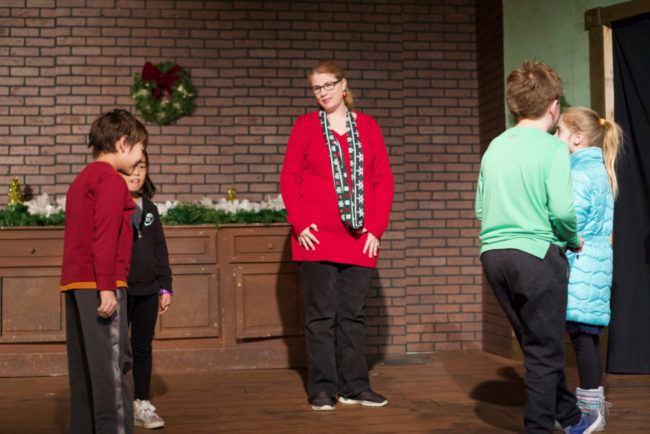
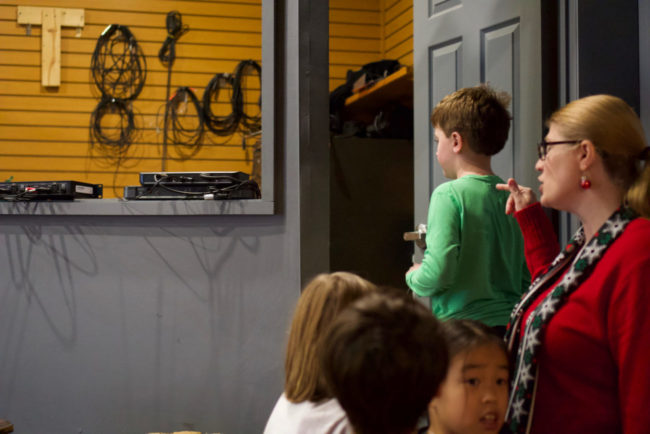
To prep, we went took a field trip to the Carmel Community Players theater to learn about creating a skit and all the parts that goes into putting on a play.
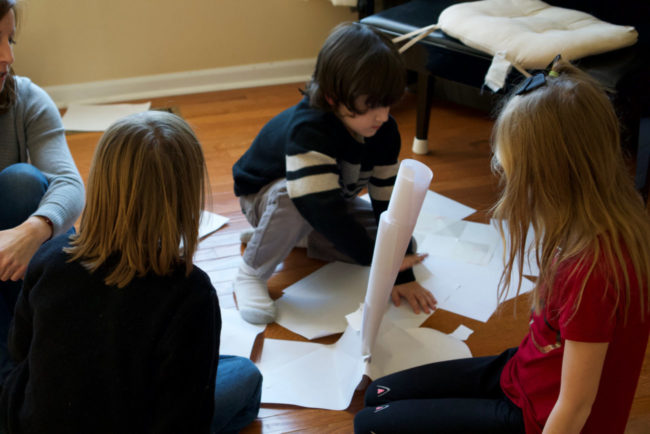
We met at a different house each week and did a lot of experiments such as building with toothpicks, gumdrops, paper, dry spaghetti, sugar cubes, and a bunch of other items to create structures that were either tall, strong, or flexible based on the prompt. We also did floating and sinking, marble runs, mazes, and a lot of performance arts. Let me be honest that the beginning challenges were horrendous. The kids were unfocused and did not follow directions. We failed more instant challenges than we succeeded. They also argued a lot and a big part was the whole process was teaching them how to communicate with each other.
Also, even though there are a lot of resources given by DI and on the internet, they were mostly for older kids so I mistakenly chose some that were too complicated for kids this young. I wanted to cover so much ground that I just moved on after a failed attempt. Only when I realized that it is better to go over what failed, do research about it and repeat the same challenge did the kids actually learn to work on their own. Also, the results were much better and they felt a better sense of their abilities.
Since I had a 2nd grader and this is my first year managing a group, we went for the Rising Stars division which is noncompetitive. The theme was “Friends Everywhere”.
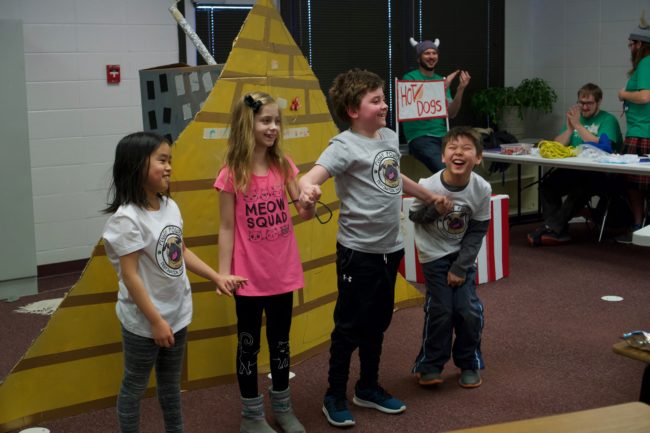
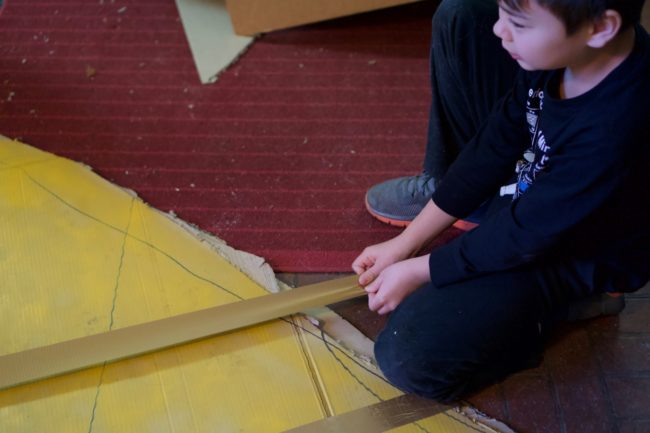
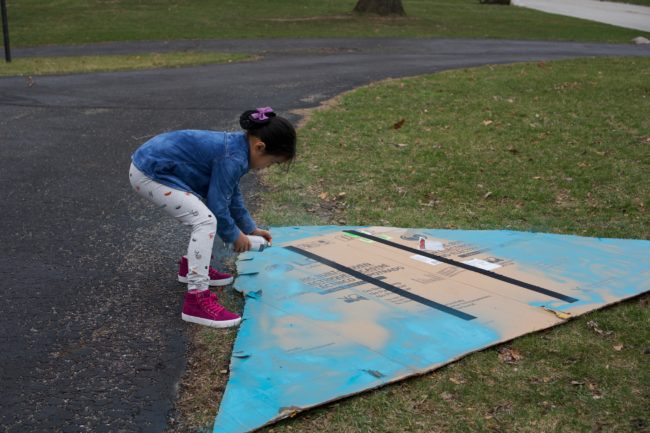
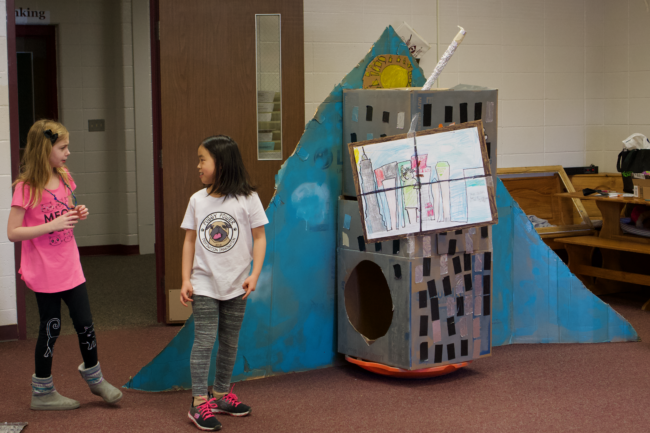
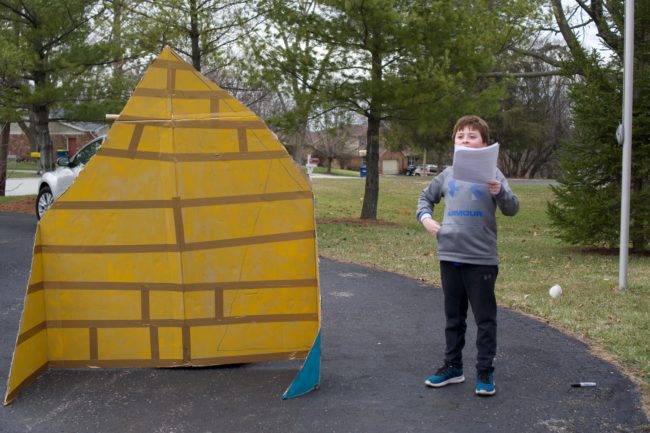
They had to create a skit in which they chose two cultures and create a prop that transforms into another prop (the technical part of the skit). They chose ancient Egypt and modern day America. Two members created the skit and the others created the props. But as we practiced the script, all the kids contributed to shaping the skit and they all worked on making the props functional. I really love the little jokes they put in and the idea to use a sled to help the prop turn.
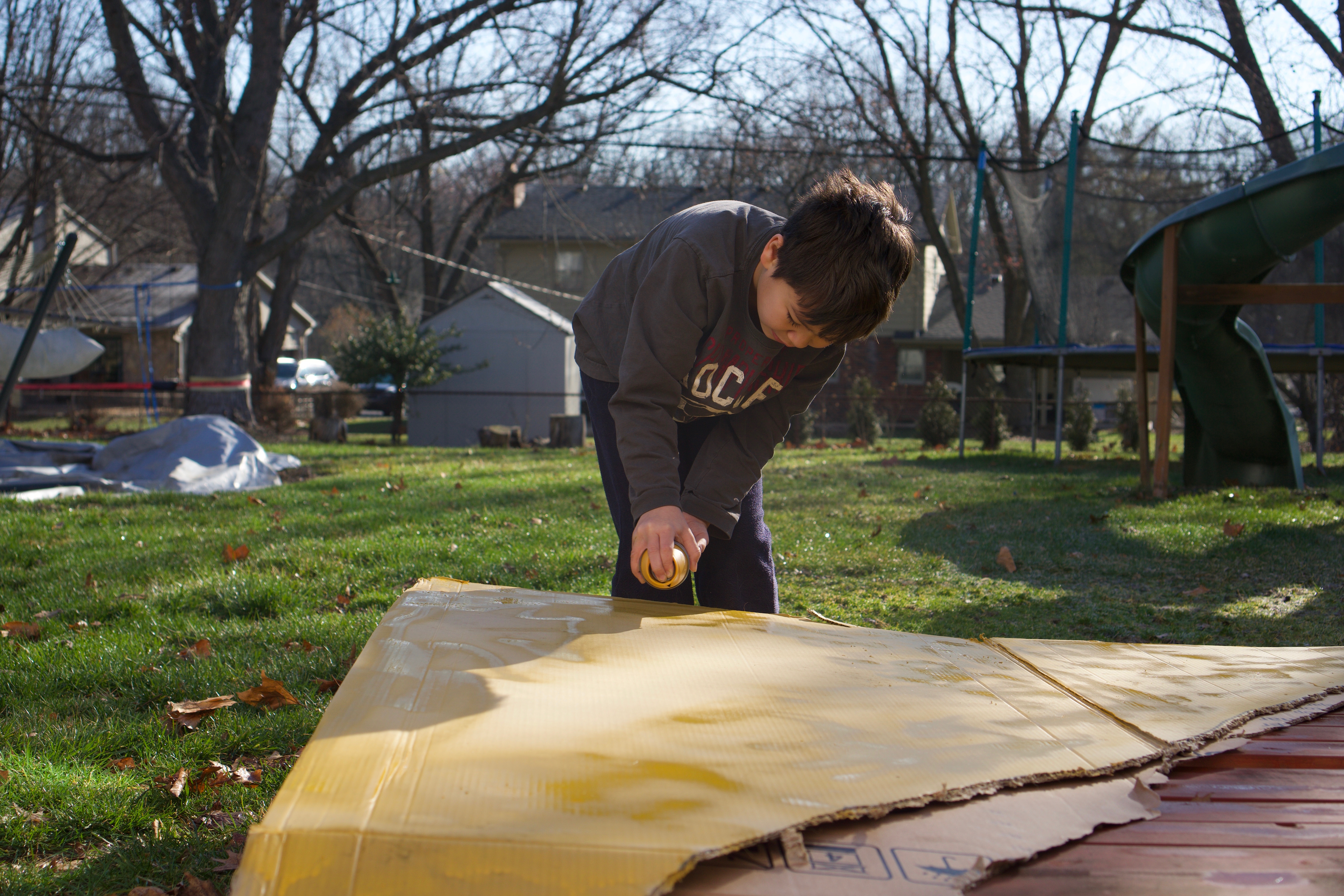
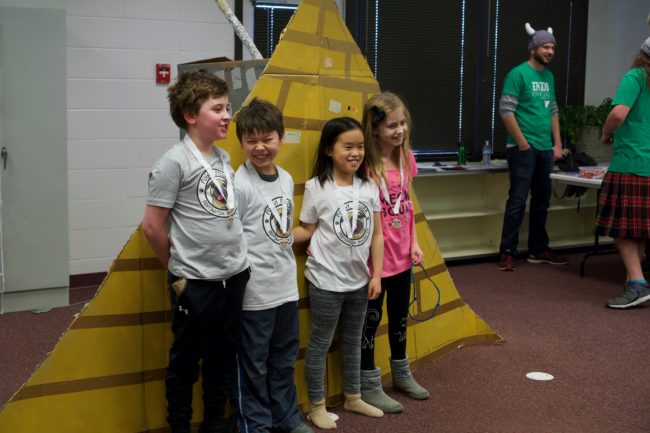
My son took a How To Draw Your Pet class at the Carmel Digital Library and used Illustrator to design their t-shirts. They also created some unique costumes and even a hot dog cart.
At the tournament, they have a few minutes to prep then come out and present and the kids actually told us to go in the audience because they wanted to do it all themselves. We also heard them rehearse the whole skit in the prep room. This ragtag team somehow came together and harnessed the power of all the pugs (do pugs have a lot of power?) to deliver an amazing performance. Since it’s a noncompetitive division, they let us watch their Instant Challenge. The kids were amazing. They planned things together, they asked everyone’s opinions, they praised each other’s ideas, and they created a great product. We received rave reviews from the judges.
The real prize in making it to the tournament is seeing all the teams compete. The upper elementary, middle school, and high school groups were spectacular. We watched as many performances as possible and the kids were blown away about the things that could be done with costumes, engineering, storytelling, and every other aspect of STEAM education. It was a lot of hard work but totally worth it at the end.
Many thanks to the supportive parents, Sandi Johnson (our DI expert), and our school librarian who volunteered to be a judge at the tournament.